
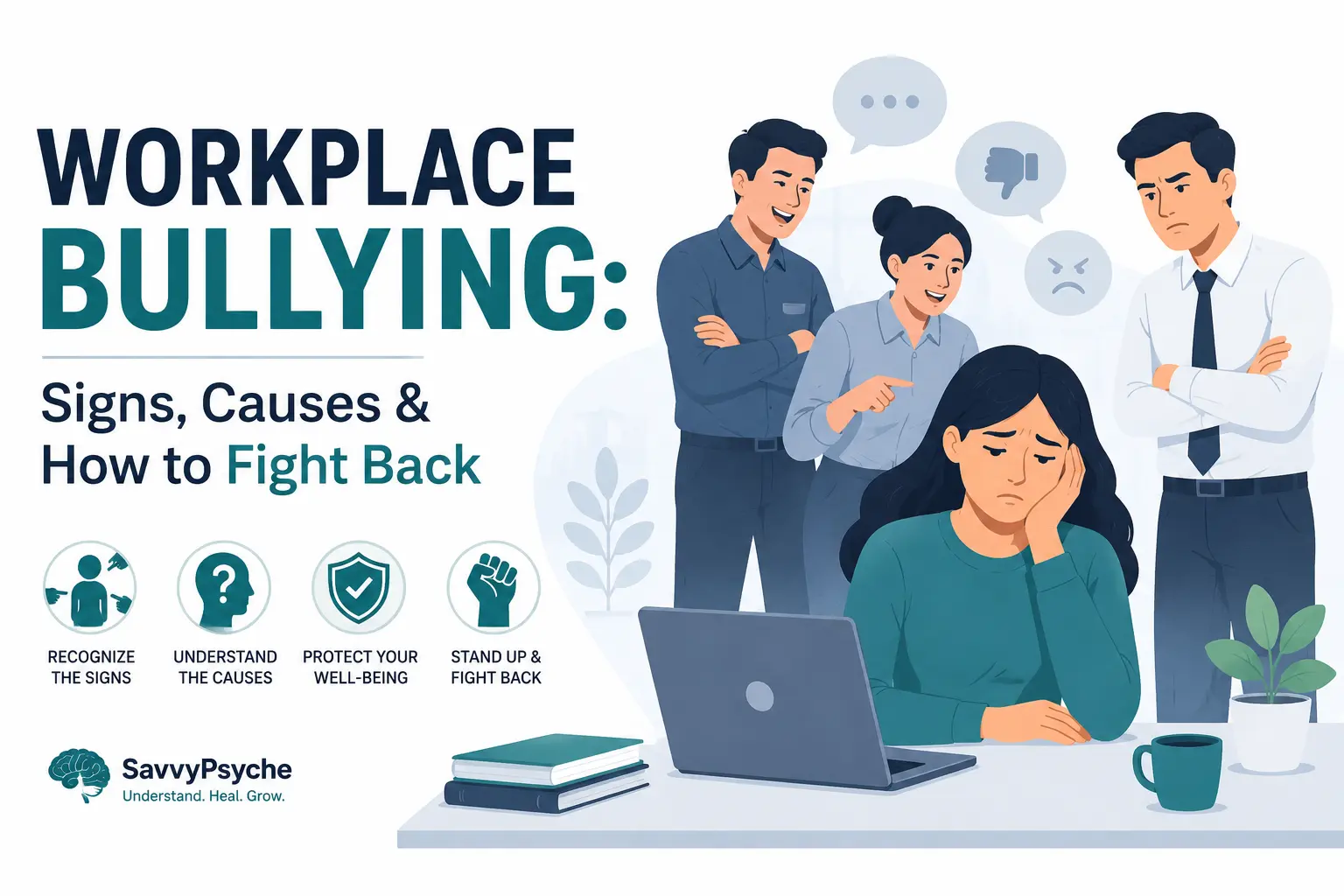
Workplace Bullying: Signs, Causes & How to Fight Back
You treat everyone politely and respectfully. You try to keep everyone happy, but people target and bully you. You never judge people based on how they look, but people bully you very easily. In my school days, I saw many very sensitive students, and people used their weaknesses to bully them. They were easily bullied and also were easily scared. And they found it very difficult to take a stand.
You too are not able to understand that, after all, people target you only; they bully you anywhere and very easily. If that sounds familiar, this article walks through what’s actually happening: the psychology behind why people bully, the real warning signs, and a concrete plan for protecting yourself.
What Is Workplace Bullying?

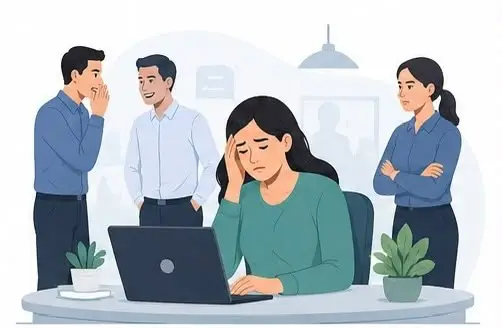
Workplace bullying means you are repeatedly mistreated and targeted. You are repeatedly insulted in public and burdened with an unnecessary workload. Workplace bullying doesn’t always mean shouting or yelling. Sometimes, someone deliberately sabotages your work, interrupts you during meetings, or mocks you in front of everyone. Or perhaps they start ignoring you. When this happens daily, it becomes exhausting; you lose your sleep. And the worst part? You start wondering, Maybe the problem lies with me.
To recognize bullying, keep three words in mind: persistent, deliberate, and mistreatment. If a boss snaps at you in anger one day, that isn’t bullying. If there is a disagreement during a meeting, that isn’t bullying either. Bullying is something that quietly stalks you, happening day after day, targeting the same person, and driven by the intent to “break” them.
Why are you always bullied in the workplace? 10 Real Reason.

- When you are quiet and keep to yourself. People might think you are weak and easy to take advantage of.
- If you are a sensitive devotee and trust people fast, then people target you and bully you whenever they get a chance.
- When you are new or get a role in a junior post, your colleagues may give you extra work or bully you.
- People might target you at the workplace if you are different from others.
- People with different caste/culture, background, often lead to bullying in the workplace.
- When you are not confident about yourself and feel insecure, people bully you for this weakness.
- If you have any personal issues with a specific person, that person will bully you in the workplace to humiliate you.
- If you don’t take a stand when someone bullies you, people will doing again and again.
- When you don’t keep your boundaries within limits and are always available to others, people think you’re stupid and bully you.
- People who have low self-esteem and don’t take a stand, people take advantage of this and bully you.
A Real Story: Standing Up for a New Coworker


I still recall those days when I worked in a private company. A new girl joined our team. She was very hardworking and smart. We did chat in the cafeteria during breaks. She seemed very shy and quiet to me; she would not talk much and would mind her own business.
She had just moved to the city for this job, and was struggling to understand the culture and the behavior of the people here. Some people from my company taunted her a lot. The theory is that she had given her share of work, but she could not say no to anyone.
One day, I explained to her that she comes here to earn her own money. Why does she need to do someone’s work? That day, she said no to her colleagues, and then after that, they started mistreating her in groups. They made fun of her appearance and the difference in language barrier, and bullied her.
This led to her mental health being badly disturbed, and she was not able to concentrate properly on her work. Then I explained to her that keeping quiet and tolerating would not help; take your own stand. Set boundaries for yourself. If someone bullies you, you should complain about them to HR. After that, she got courage and started taking her own stand.
You have to defend yourself if you feel someone is taking advantage of you or, bullying you. Stop them right away and say something.
Warning Signs You’re Being Bullied at Work
|
|
|
|---|---|---|
|
|
|
|
|
|
|
|
|
|
| |
|
| |
|
|
The 4 Types of Workplace Bullying Explained:

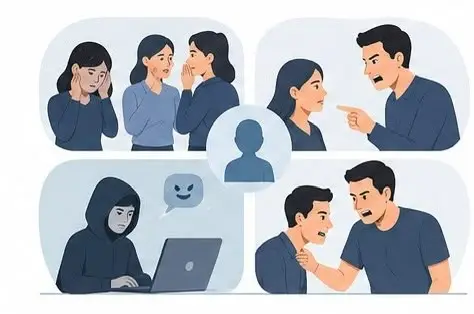
Social bullying
Social bullying is when false rumors are spread about you. Social bullying inflicts the silentest wounds. No hands are raised against you. They simply treat you like an outsider. No one invites you to lunch. They remove you from group chats. They spread lies about you. When you speak, everyone laughs. People say nothing even happened. But you know the truth. You die a little more each day. This, too, is bullying. And it is wrong.Verbal bullying
Ruining one’s reputation, taunting, and declaring in front of everyone that “you can’t do it”- these things don’t leave physical bruises. Yet, they rob you of sleep. Words inflict wounds, too. And these wounds cut the deepest.Cyberbullying
Means online harassment. Even if you switch off your phone, there is no escape. Sending nasty messages in a group. Mocking your photos. Posting lies about you. Receiving a threatening message at 2 AM. There is no peace, even after leaving the office. Because your mobile is right there in your pocket, isn’t it? They reach you even there.Physical bullying
Physical bullying means outright physical aggression, slapping, shoving, kicking, or punching. It also includes breaking or hiding your belongings. Blocking your path or spitting in your face all of this falls under this category. One advantage of this type is that it cannot be hidden; it leaves visible marks. But that is precisely the problem, too; it is the form of bullying people fear the most.
Related on Savvy Psyche
People Pleasing at Work: Why It Backfires and How to Finally StopWorkplace Gaslighting: 9 Signs It’s Happening to You & How to Stop It
Why This Is Serious A Note on Phoebe Prince
Some people consider bullying as a very normal thing but they do not realize that this act can ruin the person’s life and mental health. Bullying is not just an action or temporary hurt, it is a dangerous tool which can even take someone’s life.
Phoebe Prince case (2010):
A 15-year-old Irish American girl, moved to the USA with her family. In 2009, she started dating a popular senior boy from her school. Because of this, the boy’s ex and her friends started bullying Phoebe Prince. Every time, they would come into her classroom, throw stones at her, and push her down the stairs. She would bully her outside the school as well as online, which she could not hide from anywhere. The bullying started worse day by day, and Phoebe Prince started becoming depressed and isolated. On 14 January 2010, Phoebe Prince lost her courage and took her own life after being bullied.
The Psychology Behind Bullying
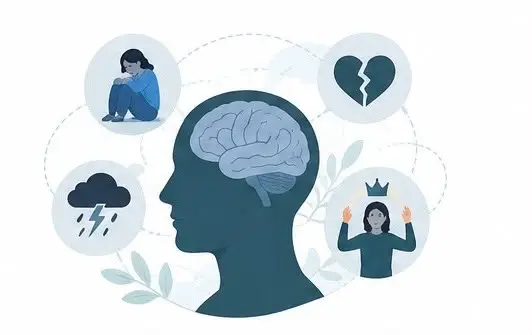
Unresolved past trauma: They have had some past trauma that has never overcome, and as a result, they display aggressive behavior or bully others.
Insecurity and a need for control. Bullies always feel insecure about themselves and try to hide this weakness by controlling others and consider it a power.
A normalized environment. People who bully others often grow up in a very negative environment where all this is very normalized. Teasing, insulting, and bullying others thinks very normal.
Social pressure to fit in. To fit in, they often bully people weaker than themselves in groups so that everyone accepts them.
Emotional neglect: People who have been emotionally neglected in their lives, affection and love, care have been absent in their present, hurting someone is not a big deal for them.
A need for power. For some, bullying itself functions as a way to feel powerful.
How does workplace bullying affect your mental health?

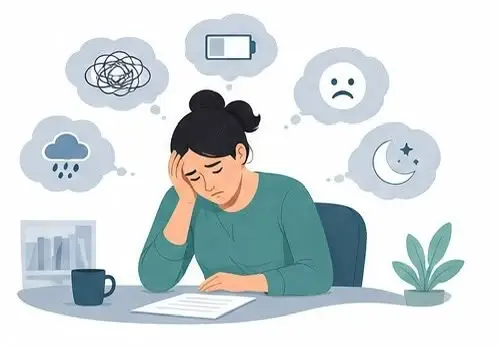
When the workplace is toxic, bullying feels normal, and it’s really hard to deal with. If you are also being bullied at work and your workplace management doesn’t control it, it can be very difficult for you to cope. The environment there can have a very negative impact on your mental peace. You face mental health issues like anxiety, depression, sadness, or overthinking. Your career motivation drops to zero, leading to low self-esteem and low confidence.
4 Steps to Protect Yourself From Workplace Bullying
Workplace bullying has many negative effects on both practical and personal life. But throughout all this, remind yourself that you are very powerful. Your courage can protect you. You can protect yourself from workplace bullying by following these 4 steps.
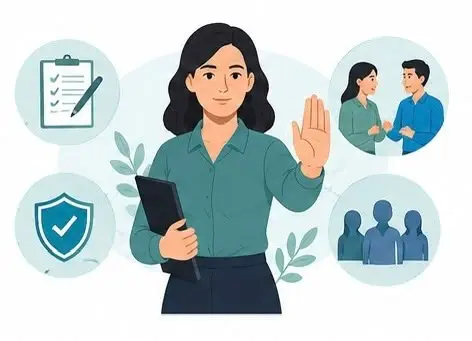
Keep the record
Documentation is your shield. When you write things down, you come to realize, “This wasn’t a joke; this was wrong.” And if, down the line, you find the courage to speak up, you won’t go empty-handed you’ll have a record of every message, every email, and the date of every incident. Even if it’s just in a small notebook. Your memory might fail you, and your anger might fade, But what is written on paper won’t change. So, start writing now. You should remember your workplace location, date, and time well before the incident. Tell your trusted peer group about your bullying. If, by chance, you find a colleague who has witnessed it firsthand. Then summon the courage to ask them: Can you stand by me? If they say yes, that is a huge deal. Because when a witness stands with you, it is no longer just an allegation; it becomes the truth.Set boundaries and seek moral support
When you are being bullied, keep yourself composed and set boundaries between yourself and others. When facing bullying, setting boundaries is as essential as breathing. If someone stands too close, you feel suffocated, don’t you? Simply say, “Please keep some distance.” If someone brings up a topic that cuts deep. Just stop the conversation. Say, “This doesn’t make me feel comfortable.” Your personal space, your belongings, your dignity, draw a line around them. It might feel scary at first; your voice might tremble. But every time you set a boundary, you will grow a little stronger within. Seek help from trusted and administrative people in your organization, or file a complaint. Most companies state in writing that bullying will not be tolerated. When you open that document and read it, you will realize, “I am not alone; the company says the same thing.” And when you sit before HR, you will be able to speak in the language of policy rather than out of anger. According to Section 3.2, this behavior is a violation. These very words will empower you. So, first find the policy. Read it. Then take action.File a complaint with HR
Go to HR, and when you do, take along all the documents you have gathered over this time. They will be your voice. And if you don’t feel up to it, ask someone to accompany you, someone who believes in you. Even if they don’t say a word, just having them sit in the chair beside you changes the entire atmosphere of the room. You are not alone, and you do not have to fight this battle by yourself. After the incident, report the bullying group. Write down all the information, like how long you have been bullied. What kind of bullying is it? If the situation doesn’t improve, seek external help and inform your family. If your management does not have control over it, try to change your workplace or find another job.
Consider legal action if needed
If following all these steps doesn’t work, you may need to take legal action. To do this, file a report on the bullying case according to the laws in your area, writing down all the general information provided in the file and reporting it.
Mistakes to Avoid When Dealing with Bullying:
Waiting for something “serious enough.
We think, “If only there were one undeniable incident, then I’d go to HR.” But bullying doesn’t work that way; it doesn’t arrive all at once. It creeps in daily, little by little, just enough to convince you that maybe it’s nothing. And when that “big” day finally arrives, you lack a record of the preceding three months. So, here is a piece of advice: start keeping track from day one from the very moment your heart first whispered, “This is wrong.” Evidence proves useful later on; fear does not.
Confronting a bully unprepared and alone.
I know you feel like going and saying, “Stop it.” But going into a room alone without anyone else present, without anything in writing. That just makes you vulnerable. They will simply deny it: When did I say that? You misunderstood. You’re too sensitive. And the worst part? That very interaction will later be used against you. Look, she came and made a scene. So, if you need to address the issue, do it strategically: Have someone sit in with you.
Clearly state naming names what happened and when. And once you get home, write it down and send it that same day. So, there is a record of the date, and there is proof. So, you aren’t left standing alone.
Assuming HR Is Automatically on Your Side
We want someone who will simply take our side, but the HR role is difficult. They have to look out for both the company and the people; that is why they aren’t your enemies. However, they aren’t automatically your heroes, either. When you approach them, don’t go empty-handed. Take documentation with you. Take specific dates. Present a clear case, and understand what they can actually do. They can conduct an investigation. They can enforce policy. But they won’t fight the battle for you; you have to fight that yourself. They will simply manage the process.
Staying silent until it breaks you.
Every day you remain silent. That day weighs heavily on you out of fear. What if I speak up? What if no one listens? What if I’m the one who gets blamed? And what do you get in exchange for that silence? Sleepless nights. A lack of heart in your work. And worst of all, you lose sight of yourself. This is the most common mistake. And the costliest one, too. You weren’t sent here to endure this. You were sent here to work. With dignity. With peace of mind. Do not stay silent. Speak up before you break. Because you deserve it.
When to Seek Professional Help:
Once you have been bullied at work for an extended period of time, working with a licensed therapist can help you go through what has happened and get your confidence back. Consideration should be given to contacting if:
- Anxiety or dread about work is affecting your sleep, appetite, or relationships outside of work
- You’ve started avoiding people or situations out of fear rather than genuine scheduling conflicts
- You notice persistent sadness, numbness, or hopelessness that isn’t lifting
- You’re navigating an HR complaint or legal process and want support managing the stress of it
- You’ve had any thoughts of harming yourself
Asking for support isn’t a sign that the bullying has “won.” It’s how you make sure it doesn’t define what comes next.
Conclusion:
Workplace bullying is a wound that is always remembered. But remember that your silence can become your weakness. If you are a victim of such bullying, you should kindly raise your voice and stand up. Unless you act on your own, this bullying will destroy your life. Every person has the right to live freely and without fear. So, let’s come together and protest this bullying. In an organization like a workplace, everyone can work at their own will and peace, without fear or pressure.
Reminder:
If you gain any positive response or change after reading this article, please share it with your social and family circle. It will also help those who are suffering from mental health problems.
 Disclaimer:
All the information provided in this article is based on personal experience or research. If you are experiencing any serious mental health issues, seek help from a licensed therapist.
Sources & Further Reading
Wikipedia"Suicide of Phoebe Prince" (overview with citations to contemporaneous news coverage)
Cyberbullying Research Center "New Details Emerge in the Phoebe Prince Tragedy" (on the complexity of causation in bullying-related suicides)
Workplace Bullying Institute (2021). 2021 U.S. Workplace Bullying Survey
Nielsen, M. B., Nielsen, G. H., Notelaers, G., & Einarsen, S. (2015). "Workplace Bullying and Suicidal Ideation: A 3-Wave Longitudinal Norwegian Study." American Journal of Public Health. Full text via PMC
Systematic review and meta-analysis (2023). "Workplace Bullying and Suicidal Ideation and Behaviour", via PubMed
988 Suicide & Crisis Lifeline (U.S.)988lifeline.org
International Association for Suicide Prevention Crisis centre directory by country


3 Comments