
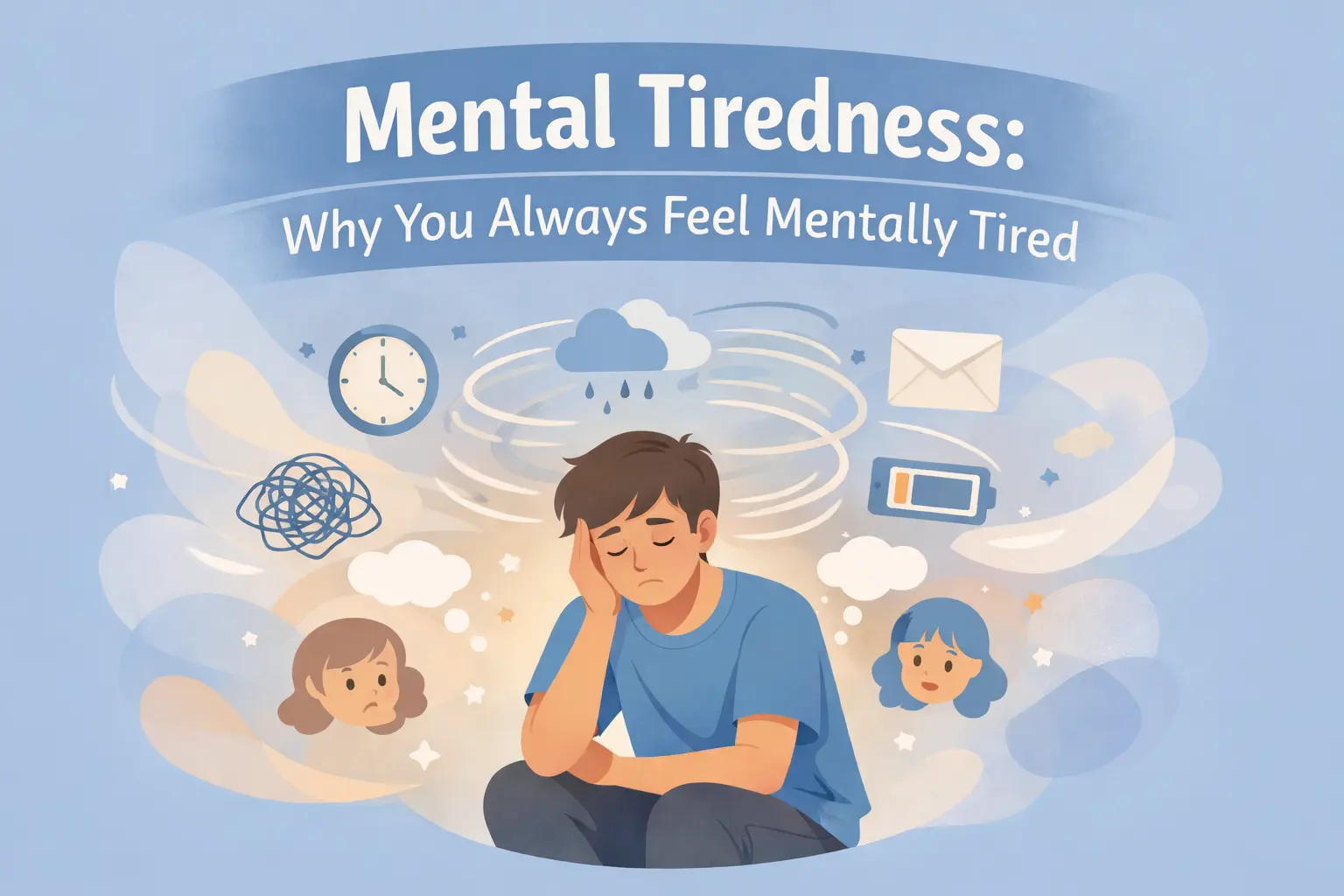
Mental Tiredness: Why You Always Feel Mentally Tired (And How to Finally Stop It)
Sometimes we feel so tired without any physical exertion. However, we don’t do much physical work, nor is our productive routine such that we feel tired, so why? Your focus starts to blur in everything, and you don’t feel like doing anything.
This guide walks through why that happens, how to tell mental fatigue apart from burnout or depression, and a clear, practical plan for actually recovering.
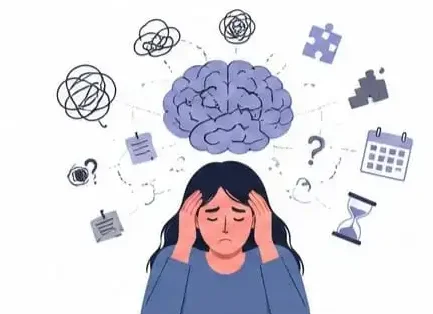
What is mental tiredness?
Mental tiredness makes your mind restless, and starts blurring your conscious state. You know your brain is exhausted when: You become irritable over trivial matters and struggle to remember things.
We often equate “fatigue” solely with the need for sleep. But mental exhaustion is different. First, you lose focus. Then you become distracted, lose focus, become upset over trivial things, and experience increased tension.
The body needs sleep when it is exhausted. But when the mind is tired, it is seeking peace and a solution to the problem. Without addressing the root cause, even ten hours of sleep is futile.
Where does this mental tiredness come from?
We think mentally tired comes when we are very physically tired, or our routine is very hectic. Even after resting, we still feel mentally tired. That mental tiredness is due to your long-term stress. We often fail to realize that mental stress is the cause of our fatigue.
Excessive work + insufficient sleep = mental fatigue.
This happens when multiple difficult tasks have to be handled simultaneously. “Mental load”, pause for a moment when you hear this term. We tend to think our brain is doing only a little bit of work. In reality, it is managing everything, twenty-four hours a day: work, home, and our thoughts. Yet, we never give it any real rest to recover.
Mental Fatigue vs. Burnout vs. Depression
People tend to conflate these three things, and that is the problem. Because each requires a different solution.
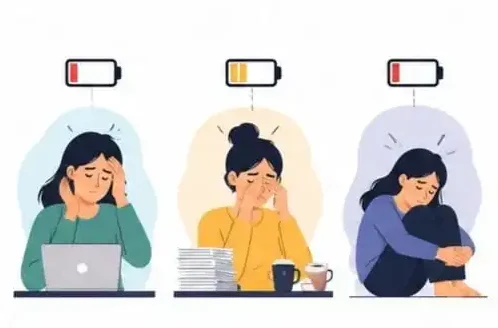
Mental exhaustion is a transient condition that can be alleviated with rest. It is brought on by excessive thinking and work-related stress.
However, burnout is not the same. It occurs when we suppress fatigue for months on end, eventually causing the body, mind, and heart to all give out simultaneously. And the root cause is prolonged, intense stress.
Depression is the most dangerous and far-reaching condition. When we are under stress, our body immediately goes on high alert. Hormones are released that provide a temporary burst of energy, but ultimately leave us even more exhausted.
Depression disrupts the brain’s internal systems. The balance of chemicals such as serotonin and dopamine is thrown off. Depression drains your energy. You don’t feel like doing anything. 40% of people with severe depression experience extreme fatigue
Signs of mental tiredness:
- Difficult to focus

- Mood swings
- Irritability
- Overthinking
- laziness
- Muscle tension
- Nausea/ digestion problem
- Decision-making problems
- Forget things
- Lack of motivation
- Feeling low all the time
- Lack of connection
- Sadness
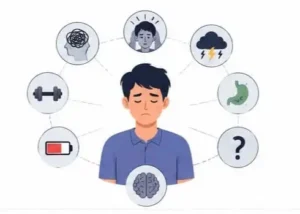
The Real Causes of Mental Tiredness
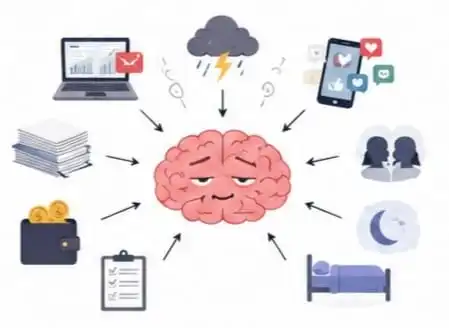
Chronic stress or anxiety
When you have been stressed for a long time, and you start feeling anxious about everything, then there is a lot of mental pressure on you, due to which you feel mentally tired all the time.
When we are under stress, our body goes into a state of high alert. This is called the “fight-or-flight” response. Your body produces the hormones cortisol and adrenaline that provide a temporary energy boost. But if the stress continues, these same substances end up draining us from within. Consequently, we begin to feel constantly exhausted.
Overthinking
Fear of the future and regret over the past consume a person. When it becomes a habit, there is no peace even in sleep. Overthinking is the primary cause of mental fatigue. If we become stuck in the past or worried about what may happen in the future, the brain stays “on. If we start to think about our past or about what could happen in the future, the brain is constantly “on. This results in an increase of stress hormones in our body, and therefore, we feel drained from within. This is why we are tired and useless after 8 hours of sleep.
Invisible overload
Imagine being burdened with your home, parents, finances, relationships, work, and health, all at once. Naturally, you would have a bad feeling, wouldn’t you? If you work without a break, pouring all your heart and mind into it, not even stopping for two minutes, not pausing to breathe, then exhaustion is inevitable.
A great deal else is constantly going on, planning, remembering, and worrying. It is this hidden mental load that exhausts us the most; yet, the problem is that it remains unseen. Consequently, no one accounts for it, tries to reduce it, or attempts to address it.
Constant screen exposure
Phone scrolling late at night could be causing your mental stress. Constantly checking news and social media on your phone all day, working excessively without breaks, and keeping your mind constantly cluttered these three things are major causes of mental fatigue.
Phone calls, messages, emails, news it’s all going on 24 hours a day. Consequently, our brains stay switched on around the clock, too even during our spare moments, we are glued to screens. And screens exhaust the brain rather than allowing it to recover; unless the brain gets genuine rest, it cannot carry out its processes of cleansing and repair. That is why, despite getting enough sleep, we constantly feel mentally drained.
Poor-quality rest
When you don’t get sufficient sleep or rest, you get mentally exhausted well before you get physically drained. Tired after 8 hours sleep? Then understand that it’s not your sleep time. It might be due to stress, tiredness, or a medical condition, including not sleeping well, anxiety and having a mind that just doesn’t stop.
The brain then does not have time to replenish its battery. Sleep comes in eight different varieties. Deep sleep is essential for the brain to recover and if interrupted or spent worrying the body does not recover. It will be in this stage that the brain cements memories, the emotions are worked through, and the body heals. When stress, late nights, or a chaotic life get in the way, however, no matter how much sleep you get, you never pay your debt.
Unexpressed emotions
Feeling emotionally low, ups and downs of life, financial instability, heartbreaks, or gaps in communication. Keeping all these things in your heart for a long time and not sharing anything can make you mentally tired. Holding emotions is a silent cause of mental fatigue.
The things we leave unsaid keep playing on a loop in our minds, weighing us down. This increases stress and deprives the brain of rest. The result is that, even if we are physically fine, we feel mentally exhausted and drained.
A Personal Story: Exam-Season Burnout

After some time, I realized that all this is not because of the pressure of exams but because of my non-stop studying without any break, and the tension of exams, and I had ignored my health and did not take any rest at all. After that day, I made my study schedule, started studying on time, took a good diet, and took my sleep and rest, and believe me, gradually everything got managed very well with time.
Related on Savvy Psyche
How to Become Mentally Strong: 11 Psychology-Backed Habits That Actually Work
How to Stop Overthinking: Why Your Brain Gets Stuck — and 9 Proven Ways to Break FreeFear of Failure: Causes, Signs & 12 Proven Ways to Overcome It
How Mental Fatigue Affects Daily Life and Relationships
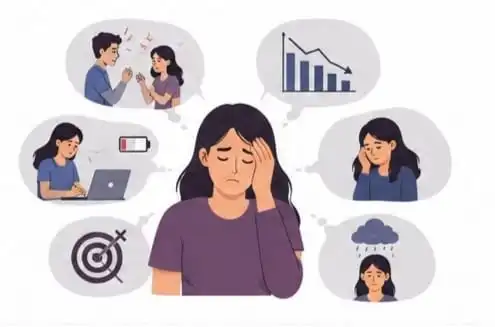
Constant mental tiredness makes it harder to concentrate on anything, even simple daily tasks, and forgetfulness creeps in. It also tends to disturb your social life irritability shows up quickly over small things, which can create friction with the people closest to you.
On relationships:
mental fatigue often brings anger and tension into friendships and family life, along with a pull toward isolation that makes it harder to stay present with people you care about.
On opportunities:
when your focus is constantly consumed by exhaustion, it’s easy to miss chances worth taking professionally or personally and the resulting loss of motivation can quietly erode self-esteem and confidence.
How mental tiredness gradually slows down your life:
Loss of motivation or feeling low all the time makes you feel like you are far behind others. This feeling starts to negatively affect you, leading to negative thoughts about yourself all the time. Instead of polishing your skills, they are suppressed. If you get motivated and think of doing something, the next minute your motivation goes down, but then you start going towards your isolation zone again.
You feel like nothing is happening in your life, it’s just stagnant, and you’re becoming hopeless. Therefore, you need to eliminate this mental fatigue from within; it could get you into trouble.
The difference between stress and mental fatigue:
The connection between stress and mental fatigue is the same. As you’ve already been told, the main cause of mental fatigue is stress, which you may be unaware of. When your body is under stress for a long time, it goes into alert mode. You remain alert all the time, fearing something might happen. Whenever you are involved in any work, your body becomes distracted. You don’t feel like doing it, and you suddenly start feeling low. The same thing happens in stressful situations. You remain conscious all the time and feel mentally exhausted all the time.
How to Actually Recover From Mental Fatigue
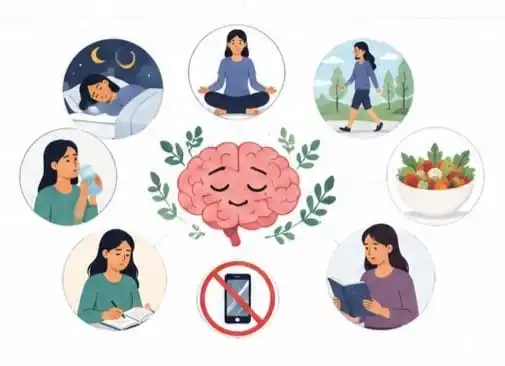
Protect a consistent sleep schedule
Without taking a rest, work can be mentally and physically tiring. So, adopted the practice of taking daily rest time. Treat your body like a clock. To keep this clock synchronized, wake up at the same time every day; this is even more important than your bedtime. Turn off your mobile phone before going to bed, as the screen stimulates the brain. Keep the room completely dark and cool for a deeper sleep. Avoid alcohol; while it may initially induce sleep, it disrupts it later in the night. Sleep is essential for both our lives and our health. Therefore, keep your sleep and rest schedule appropriate.Cut back on screen time, especially in the evening
Use your mobile phone or any digital screen less during the day and try to use it only for emergencies at night. Take breaks to avoid screen fatigue. Staring at a screen continuously tires the brain. Therefore, take breaks during the day and limit your screen time. Your leisure time should be truly restorative. This requires your brain to process significantly less information than it does during work hours. The evening hours are particularly important. Before going to bed, turn off your screens and read a book, talk to your family, or simply sit quietly. For those who are mentally exhausted, this is the most powerful change one can make. It improves sleep quality and allows the brain to truly recover.Move your body daily
By doing your daily exercise, your body gets movement, due to which your tension goes away for a long time, and you feel fresh. Your brain is just like a mobile phone; it needs recharging. And how do you recharge it? Action. Walking increases the circulation of blood and sends more oxygen to the brain, which immediately alleviates fatigue. Best option? 20 minutes’ walk in the trees. No running, no sweating, just walk outside and change the environment. These 20 minutes can double your thinking power. We underestimate this simple habit, but research shows it makes a massive difference.Make space for activities outside work or study
By doing different activities, the mind stays positive.Journaling, studying, sports, art, music, volunteering.Not only do these activities pass the time, but they also build skills. Learning outside the classroom gives the mind a rest and promotes creativity.Write it down
Write down whatever you are feeling at that moment; this will unburden you, and you will feel relaxed. Writing down your thoughts and feelings saves your mind from having to keep repeating them. Writing clarifies. You yourself see the solution to the problem. It’s a great way to track your mood, build gratitude, and lower stress.Practice catching overthinking in the moment
To bring peace in your life, it is most important that you stop thinking too much. Overthinking can only make your mind restless, nothing else. Do not dwell on the past. Do not worry about what is to come. Focus only on today and the present moment. Do one task, complete it, then move to the next. Overthinking only leads to exhaustion; it does not yield a solution.Drop tasks that don’t actually matter
Don’t waste your energy on unnecessary work. Avoid unnecessary tasks. Not every task is essential. First ask: “Does this really need to be done? Will it make a difference?” Immediately drop any task that yields no results. Save your energy for important work.Use simple breathing resets
Sit in a quiet place. Take a long, deep breath through your mouth, hold it for 5 seconds, and then slowly exhale through your nose. Do this 2 to 3 times a day. It will provide you with immediate calm and a positive feeling.
Practicing all these things helps in reducing your mental fatigue.
When to Seek Professional Help
It’s time to talk to a doctor or licensed therapist if:
- The exhaustion has lasted more than a few weeks despite genuine rest and lifestyle changes
- You’ve lost interest in things you used to enjoy
- You notice persistent sadness, hopelessness, or numbness that isn’t lifting
- Your fatigue is affecting your work, relationships, or basic daily functioning
- Rest simply isn’t helping, no matter how much of it you get
Research indicates that fatigue is somewhere between approximately 73% and 90% of all people suffering from major depressive disorder have experienced this symptom and it is important to get it assessed instead of dealing with it on your own.
A Gentle Reminder
It’s natural to feel mentally tired, lazy, or low. Every person has experienced this. If you also experience this mental exhaustion, there’s no need to worry; you just need to relax and reduce it in a healthy and positive way. You need free space and to understand your emotions. Therefore, whenever you have any mental issues, seek help and bring peace to your life.
Disclaimer:
This article is for informational purposes only. This is not advice from a doctor or therapist. If you are experiencing significant emotional distress, please speak to a licensed psychologist.
Sources & Further Reading
Tylee, A., & Gastpar, M., et al. DEPRES (Depression Research in European Society) study, cited in "Specific Treatment of Residual Fatigue in Depressed Patients", and National Institute of Mental Health–cited estimates via Doctronic, both reporting fatigue in roughly 73–90% of people with major depressive disorder.





4 Comments