
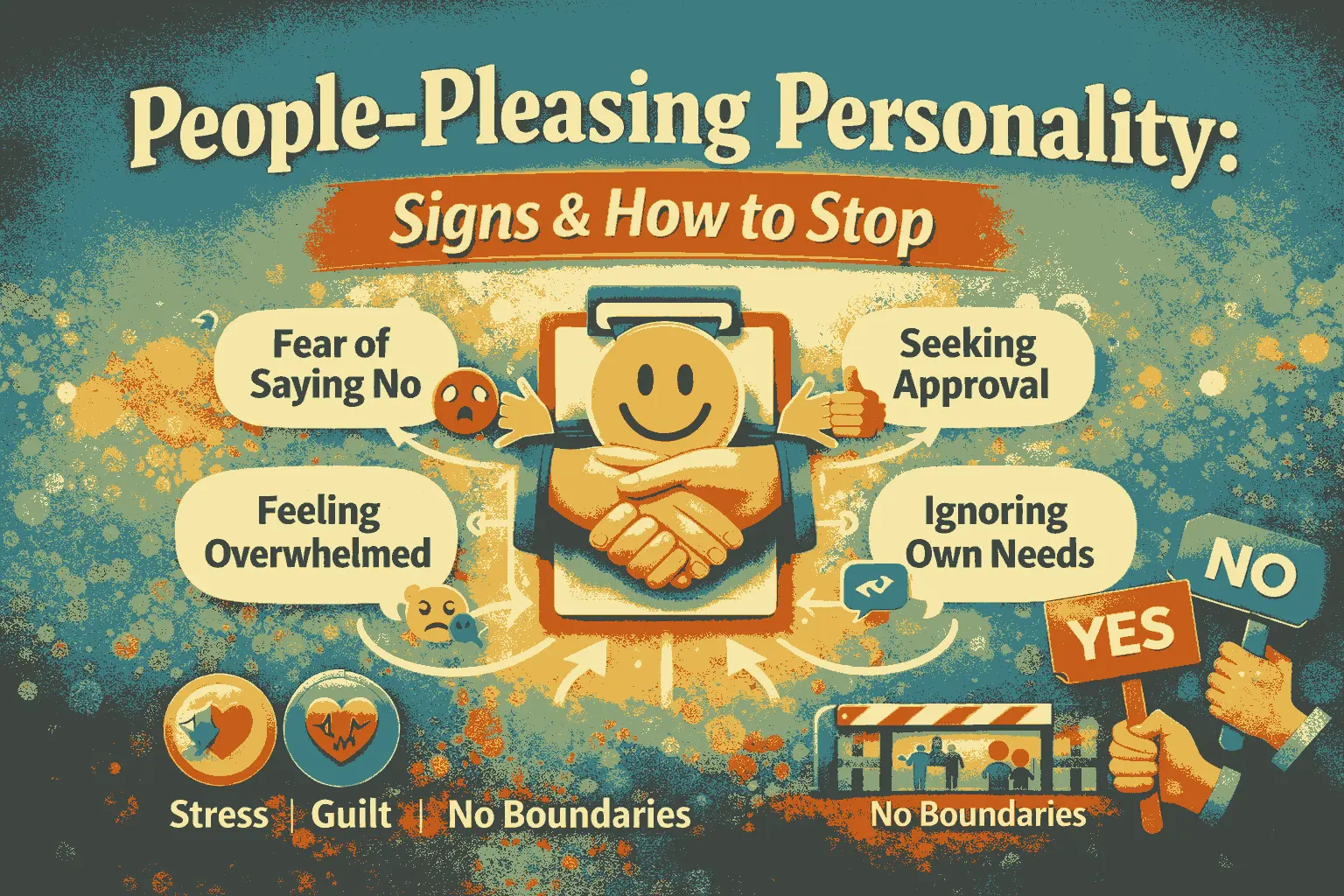
Understanding the People Pleasing Personality: Traits, Causes, and Solutions
Some people in our lives say yes to everything and never say no. They worry more about how others feel than how they feel. They’re always available, always fixing things. But watch closely, and among their own friends, they often go quiet as if their own needs don’t register at all.
This is the people-pleasing personality, one of the most common yet least understood patterns in adult life. It shapes relationships, careers, physical health, and the basic sense of “who I am.” And because it looks like a virtue helpful, agreeable, generous it often goes unchallenged for years, until the cost becomes impossible to ignore.
Understanding the People Pleasing Personality
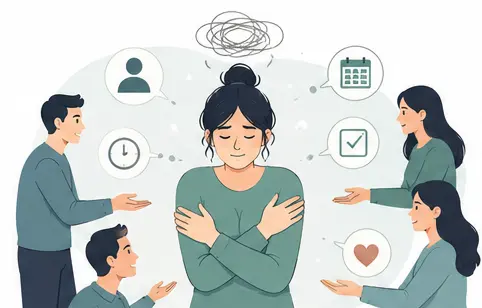
A people pleaser is someone who puts the needs, feelings, and opinions of others before their own. Being nice or helpful to people is not real kindness or generosity. Doing things for people is when you try to purposely push aside what you like. Try to find a way out of the conflict. Try to build your self-worth on what other people say. It can affect how you relate, work, and think – and for years until you notice the pattern. It also has a scientific name: sociotropy.
The American Psychological Association describes it as a tendency where, “out of fear of a relationship ending or of conflict”, you come to value the relationship with others more than your own independence. It is like putting yourself on the line to save the relationship.
Kindness vs. People-Pleasing: The Real Difference
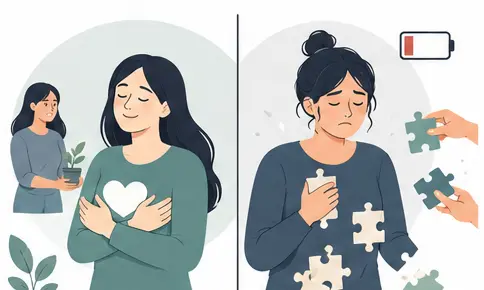
Kindness is a natural human ability. Whenever you show kindness to someone, that person will not hurt you; he will know your value. With a people pleasing personality, you forget your own value and worth; you only listen to others and focus on their attention, and this comes back to hurt you once in a while when you are not treated the same way you have treated them.
The difference lies solely in the “why.” A truly kind person gives because they are filled with abundance from within; it reflects their values, and they give willingly. In contrast, a people-pleaser gives out of fear. The fear of: What will happen if I don’t? Will people think badly of me? Will there be a conflict? Might they drift away? So, they say “yes,” even when they do not want to.
People-pleasing is essentially emotional over-functioning. Deep down, the only desire is for everyone to be happy and to like you, for no one to drift away. So, you don’t speak your mind or set boundaries; you simply say “yes” to smooth things over. On the surface, everything seems fine. But inside? Inside, you push yourself into the background. You suppress your emotions. It offers a sense of calm for a while, but gradually, it hollows you out.
Traits of a People Pleasing Personality
A people-pleaser looks the same everywhere. Some of their behaviors are visible to everyone, but the real story unfolds within. Those thoughts, those fears, that “what if I don’t?”, all of this belongs to a private world. The world sees only a “good person,” not the turmoil inside.

The Visible Traits
Deep down, he views himself as inferior. He looks after everyone else but neglects himself. He goes wherever others lead him. It’s fine; whatever you say. Saying “no” feels difficult, so he agrees instead. He feels he is only “good” if everyone approves. And if something goes wrong, he blames himself, even when the fault isn’t his. And if viewed from the outside, the people-pleaser is recognized by these behaviors:
Unable to say no: Whether someone makes an unreasonable demand, wastes your time, or you have to part with something close to your heart. Even then, the word “no” simply doesn’t escape your lips.
Saying “sorry” for everything: Whether at fault or not, the words “I apologize” instinctively slip out. It is essentially a preemptive shield. Let me apologize so that you don’t get angry.
Taking it upon oneself to manage everyone’s mood: If someone in the room falls silent, a sense of unease sets in. Did I say something wrong? Whether others are happy or not, comfortable or not, it all feels like one’s own responsibility.
Thinking one thing, saying another: Deep down, you feel, I don’t agree with this, yet outwardly, you say, Yes, absolutely right. You abandon your own stance and adopt the other person’s point of view.
Saying “yes” to everything: Even when the calendar is already full, if a new task comes along, the response is “Sure, absolutely.” You end up staying up all night to get it done, yet you can’t bring yourself to say, “Look, this is too much.”
They just want to avoid a fight: Even during an argument, they know they aren’t wrong. Yet, they say, “Fine, let’s go with what you say.” The reason? That tension, that silence, it’s simply unbearable.
They simply cannot bring themselves to say, “I need help
The thought crosses their mind: If I ask, what will people think? I will become a burden. So, they remain silent and handle everything on their own.
The internal traits:
These are precisely the aspects that are rarely fully covered in most articles written about people-pleasing personalities.
Replays conversations: A nagging doubt lingers after the meeting. The conversation is over, yet my mind remains stuck on it. “Did I say something wrong?” This unease is subtle, but it won’t go away.
Constantly scans others’ moods for cues: A radar running in the background: is the other person happy or angry, troubled or bored? The mind is constantly scanning for this, and then it internalizes the meaning.
Interprets others’ unhappiness as personal failure: Deep down, there is this wound: “I am not okay.” If someone isn’t happy, the heart immediately says: “See? I have proven once again that I fall short.”
Builds quiet, unspoken resentment over time: Resentment that grows slowly and silently, because that person never expresses their true needs.
Loses touch with their own preferences and opinions: The confusion of “Who am I, really?” My own preferences, desires, and opinions, everything is shrouded in mist, because every decision is made with an eye on the expectations of others.
Feels guilty the moment their own needs surface: Guilt arises the moment the thought of “me” crosses my mind. I haven’t even said “no” yet, nor have I claimed my turn, yet my heart immediately whispers, “You are selfish.”
Related on Savvy Psyche
What Causes a People Pleasing Personality?
A people-pleasing pattern rarely appears out of nowhere. It usually develops through some combination of the following:
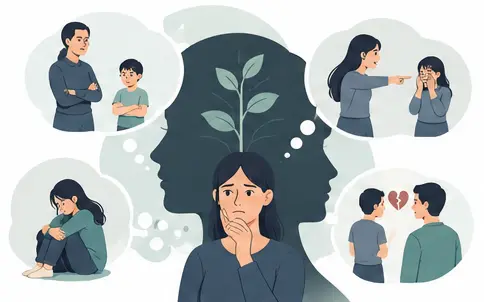
Childhood role expectations: Some children develop a pleasant personality from childhood experiences. Parents teach their firstborn child to look after his younger sisters and brothers, take care of them, never bite them, always love them, and never hurt them. That child learns all this from childhood experience itself and develops a pleasing personality.
Bullying: At some stage, when a person goes through bullying, he always adopts a Pleaser personality as his mechanism because he does not want to get into any conflict and does not want to go through the same bullying phase again.
Fear of abandonment: A person with a people pleasing personality is always afraid that people might leave them alone. He always remains a Pleaser to his friends so that they do not leave him alone.
Past trauma: A person suffering from some past trauma always wants to keep their friends alive and does not want to lose them. The fear of losing them also leads to pleasing people.
Strict or conditional parenting: Strict parenting plays a very important role in a pleasing personality. When parents reward a child for doing well and punish him for doing badly, then that thing gets converted into a pleasing personality.
Low self-esteem: When a person always considers himself not good enough to others, he will always make himself available to others until they are happy. A people pleasing personality is an important quality of a person with low self-esteem.
The Trauma-response Angle:

Psychotherapist Pete Walker described fawning as a fourth trauma response alongside fight, flight, and freeze a survival strategy where a person learns, often in childhood, that staying agreeable and needless is the safest way to avoid a caregiver’s anger or unpredictability. Not everyone who people-pleases has experienced trauma, but for many, fawning is where the pattern actually began which is why it can feel so much bigger than “just a habit.”
How People-Pleasing Impacts Your Life
Saying ‘yes’ all the time will lead to an empty feeling inside; you will feel drained, untrustworthy, and unsure of who you are. You have trouble telling who wants it and who wants what. People pleasers pay a high price; it adds up, gradually, one day at a time. Here is what it takes away from you over time: Here is what it takes away from you over time:
Your “Self”: In every choice, you first consider what they would want, and only then what I want. Gradually, you cease to be yourself. Then, one day, looking in the mirror, the question arises. What do I actually like? There is no answer… because for so many years, you have been performing for others.
The paradox of relationships: The very relationships you most want to nurture are the ones hollowed out from within by your habit of trying to please everyone. When a connection relies merely on superficial compliance rather than genuine sincerity of the heart, it loses both depth and trust, while a silent anger festers within an anger that is never voiced, leaving the other person completely unaware of what is truly going on inside.
Your Career: At the office, they all say: He is very helpful; he’ll make it happen. However, the issue is that you don’t know how to say no, and you take on additional work even when you are already overworked. Avoids expressing opinions or taking chances. The result? You are trustworthy and yet are ignored, and your name is not mentioned.
Your Health: Those who always go out of their way to make everyone happy are often susceptible to depression and stress, and are exhausted. If you consistently overdo yourself, relegate your thoughts to extinction, and can’t get a word in edgeways about what you need, then it will have a way of affecting your body as well as your heart.
The workplace is where this pattern often shows up most clearly, as people-pleasing at work.
How to Stop Being a People-Pleaser
These changes work because they address why you say yes, not just the yes itself.
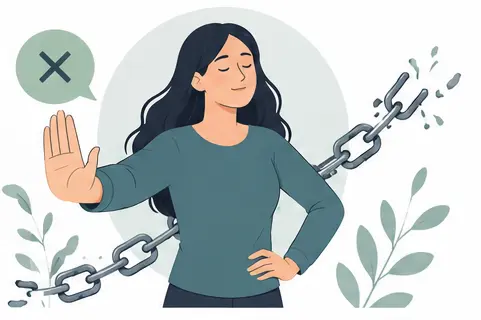
Find the root, not just the symptom
All other methods will only truly be effective after this step. You didn’t become a “yes-person” overnight. There was something behind it your home environment, a relationship that instilled fear, a lesson taught by society, or a past wound. First, identify that underlying cause. Because every wound requires a different remedy. When every relationship is overshadowed by the fear that they might leave me, talking to a professional can be helpful. They guide you to the old wounds where this fear originated. Ask yourself a question, and don’t stop there: What would happen if I didn’t say ‘yes’ now? Let the fear take you wherever it leads. The answer is often a truth that cannot be found merely by changing one’s outward behavior.Separate joy from fear
Not every “yes” is an act of people-pleasing. It is about intention. When you act from the heart, there is an inner sense of lightness. When you act from fear, there is internal tension and tiredness. So, next time someone asks something of you, take a moment to consider: Am I doing this because I really want to, or because I’m afraid? If you get into the habit of asking this question, you will find out for yourself which acts of help are motivated by love and which are just a show.Practice saying no on small things first
Old habits aren’t broken in a single day, nor do they vanish after facing the ultimate test; start by passing smaller trials. That is where the courage to speak up for yourself begins to grow. Politely decline if asked to do a minor task at the office. Say “no” to going places you don’t wish to visit. Order the food you want, not what someone else prefers. Every time you stood your ground and the world didn’t collapse, you realized the fear wasn’t as daunting as it had seemed.Learn to tolerate someone else’s disappointment
This is the skill that is most lacking and it is the skill that changes everything. If your face drops after you say “no”, a feeling of worry comes into your chest. While it may not be true, it’s not wrong, either. It’s just that your system went early on the message, “When someone gets angry, trouble follows. You shouldn’t suppress this feeling. Recognize it, label it, and then take the actions necessary for yourself. By learning to put limits and express your thoughts clearly, the cycle of people-pleasing is broken. Not setting boundaries is not selfishness; it’s a basis for self-protection and healthy relationships.Root your worth in your own judgment
Self-esteem is the key to ending the “clubbing it” cycle. Follow your own passion, make your own objectives, and recognize your own successes. After all, the fuel to people-pleasing is the praise of others. The answer is to establish your own value, “What do I think is right? Not “what will everyone else think?”. When you do it according to your principles, stop and say to yourself, “Well done. Not when someone else said so, but when you did so because you felt it was right for you. This is not a one-day job – it’s a gradual process. Each time you choose to go against the fear to take the path you would like to take, an inner brick is built and the desire for external approval decreases.Practice stating your preferences directly
This is the skill that is most lacking and it is the skill that changes everything. If your face drops after you say “no”, a feeling of worry comes into your chest. While it may not be true, it’s not wrong, either. It’s just that your system went early on the message, “When someone gets angry, trouble follows. You shouldn’t suppress this feeling. Recognize it, label it, and then take the actions necessary for yourself. By learning to put limits and express your thoughts clearly, the cycle of people-pleasing is broken. Not setting boundaries is not selfishness; it’s a basis for self-protection and healthy relationships.

If you are unsure how strong the pattern is in you, a people-pleasing test can give you a clearer picture.
When to Seek Professional Help
When to realize that you can no longer manage on your own and should seek help:
- When there is inner tension (living in the fear of bitterness, depression, “Where did I go?”
- If the root cause is an old wound: beatings in childhood, lack of affection, or insisting on pleasing elders to keep them happy in the home.
- You’ve tried your best, but the same patterns keep coming up. Books and videos don’t help.
- If you are feeling tired, unsure of yourself and unsure of who you are, even when it comes to your own desires, opinions and feelings.
- When there is a breakdown in relationships, either because of a simmering anger that you’re feeling but not expressing, or because people know a fake you and not the you that’s actually there.
If a therapist has a grasp of relationships, your past wounds, and what you struggled with, they ask you when you learned that lesson and then help you to learn to change it from the same place, while building up your inner strength so that you don’t need them to validate you. It’s not about changing who you are, it is about shedding the mask and finally meeting the person you really are.
Reminder:
A genuine connection forms only when both parties are truly present heart and soul. But the “people-pleaser” sidelines their own self to ensure everyone else is at ease; so, while they are physically present, internally, they are merely putting on a performance, and their “true self” sits somewhere in the background, waiting.
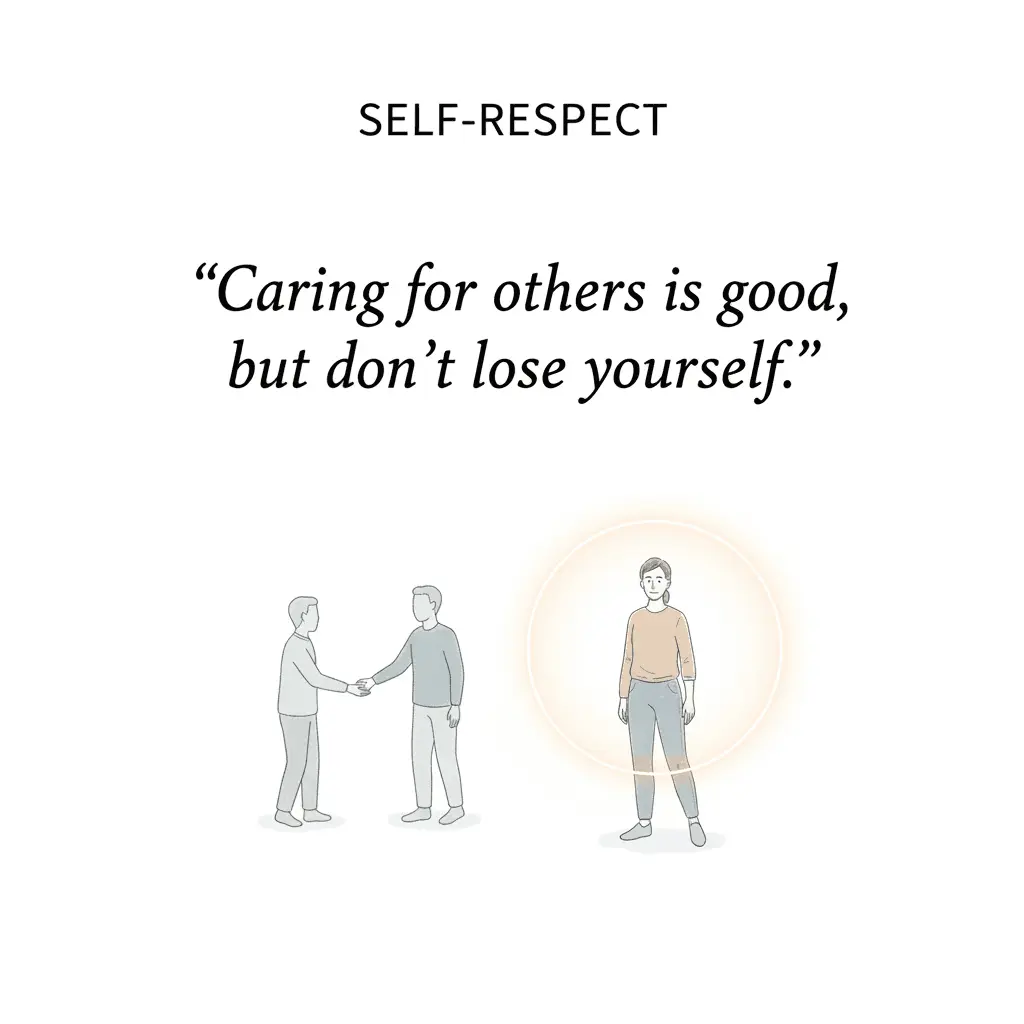
If you are sensitive, it’s okay. You care about others’ feelings, that’s a good habit. But don’t ignore yourself. People’s problems are not your problems. Thinking too much about the people all the time disturbs your own mental peace. Therefore, think about yourself too and make life easier.

Disclaimer:
This article is designed to provide general education and is a composite of publicly reported psychological research. It is not a replacement for medical or psychological advice given by a professional. If you have a serious mental health problem, you should seek out a licensed therapist.
Sources & Further Reading
-
American Psychological Association. "Sociotropy." APA Dictionary of Psychology. dictionary.apa.org/sociotropy
-
Bermudez, A. "What Is the Fawning Trauma Response?" Psychology Today (2023). psychologytoday.com/us/blog/emotional-sobriety/202303/what-is-the-fawning-trauma-response
-
"The Mental Health Implications of People-Pleasing: Psychometric Properties and Latent Profiles of the Chinese People-Pleasing Questionnaire." National Library of Medicine / PMC. ncbi.nlm.nih.gov/pmc/articles/PMC12318589
-
Marschall, A. "Fawning: What to Know About the People-Pleasing Trauma Response." Verywell Mind. verywellmind.com/fawning-fear-response-7377238
-
"The Disease to Please: Hypervigilance Around Others' Needs." Heather Hayes & Associates. heatherhayes.com/the-disease-to-please






5 Comments